Flow-Ready Fits: Crafting Complementary Yoga Outfit Combinations
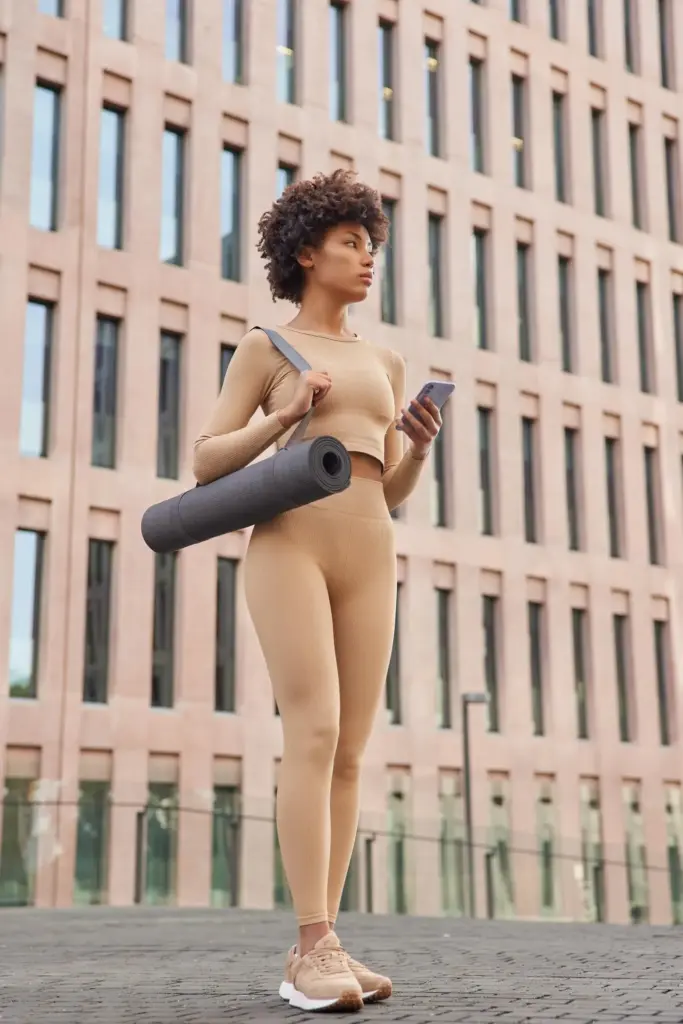
Welcome to a practical, inspiring exploration of fit and silhouette guides for creating complementary yoga outfit combinations. We will align movement science with style intuition, showing how proportions, fabrics, and lines enhance confidence on the mat. Expect evidence-backed tips, relatable stories, and mix‑and‑match formulas that help you breathe easier, balance better, and glow after savasana. Share your questions, swap outfit wins, and build a practice wardrobe that truly supports your flow.

Mapping Movement: Understanding Fit, Silhouette, and Flow

{{SECTION_SUBTITLE}}
Lines That Lengthen
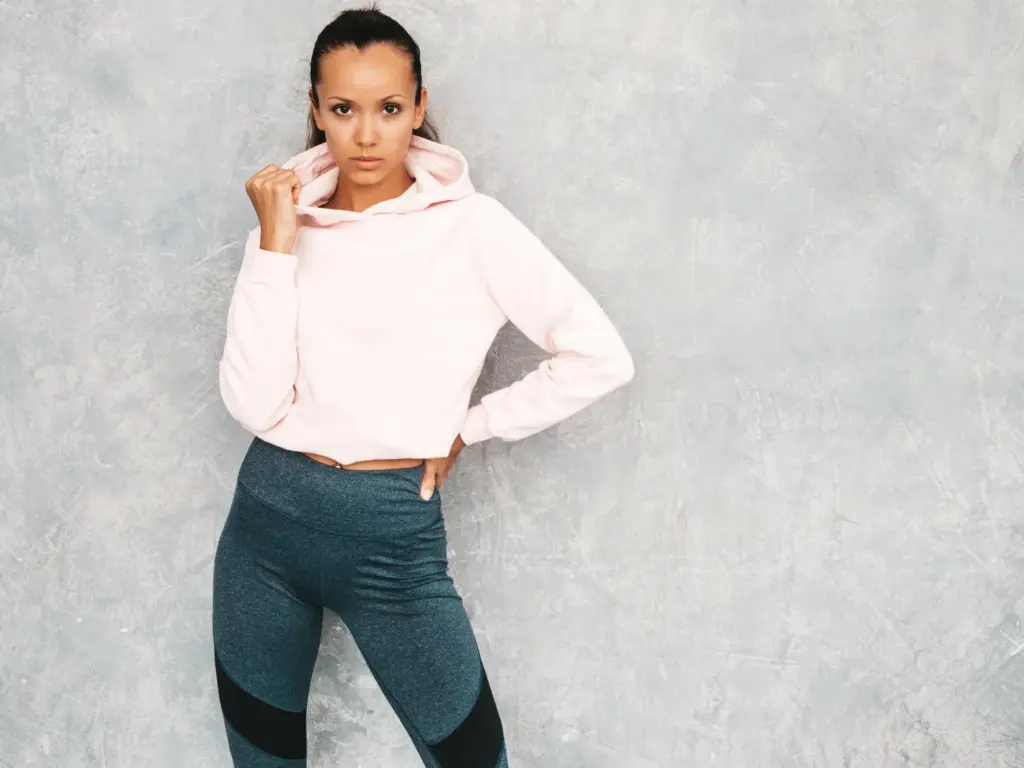
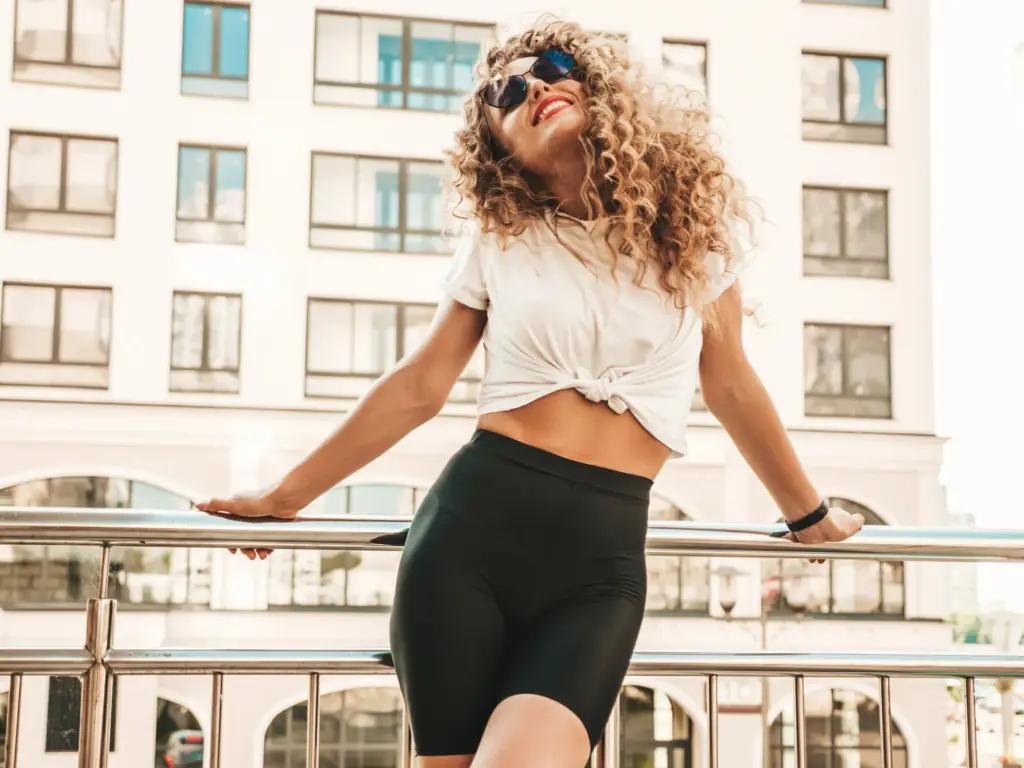
Vertical continuity encourages focus in standing sequences. High-rise leggings that meet a slightly cropped or tucked top produce a single, unbroken line, helping you feel stable in mountain pose and calm through transitions. If you enjoy inversions, secure hems prevent riding. Test in slow sun salutations, noting whether fabric bunches behind knees or waistbands roll during fold-and-rise cycles. Subtle differences in top length can dramatically refine posture awareness and rhythmic breathing.

Space for Breath

Whether you practice pranayama or simply pause between poses, the ribcage needs unpressured expansion. Choose silhouettes granting gentle ease across the midriff and side body, like raglan armholes, soft underbust bands, and smooth paneling. You want containment without squeeze, so you can inflate the back body during cat-cow, then soften on the exhale. Try a seated twist test: if fabric restricts the final degrees of rotation, select more forgiving cuts or lighter knits.

Fabric, Drape, and Recovery: How Textiles Shape Every Pose

Yogis often underestimate how fiber blends determine drape, cooling, and post-laundry performance. Nylon-spandex offers smooth resilience, while recycled polyester wicks steadily and dries fast. Modal or lyocell knits bring softness yet demand patterning that prevents sag. Compression levels should match intensity and body preference, not marketing labels. We will decode percentages, face finishes, and knit structures so you can predict cling, glide, and opacity before stepping into down dog, even under bright studio lights.

Compression with Kindness

A gentle hug stabilizes muscles during flows, yet excessive squeeze steals breath and shortens practice. Target moderate compression in leggings, often near 18–24% elastane for vigorous sequences, less for restorative days. Evaluate comfort via a thirty-breath squat test, scanning for pinching or numbness. Seek double-facing panels that disperse pressure, not narrow elastic that digs. The right mapping feels invisible: your awareness centers on alignment cues, not constant tugging, shifting, or covert waistband negotiations.

Mat‑Grip Fabrics and Slippery Surprises

Shiny finishes can glide unpredictably against a rubber mat, while brushed or peached faces quietly anchor. Before class, hold plank and slowly shift weight, noticing whether knees or forearms drift. If you love arm balances, prioritize predictable friction at contact zones. Conversely, yin practitioners may prefer smoother finishes that permit quiet micro-adjustments under blankets. Remember, studio heating changes fabric behavior; test across temperatures and humidity so your second set of triangles stays equally stable.

Cooling, Wicking, and Odor Control

Sweat happens, so let fabric manage it with dignity. Look for capillary wicking claims that reference lab standards, not vague marketing. Mesh zones work only when placed along actual heat paths: under-bust, spine channel, and back-of-knee. Antimicrobial finishes should be wash-durable and skin-safe. After hot classes, quick-dry pieces shorten chill time and protect skin. Build a rotation, air-dry between sessions, and note which blends consistently feel fresh after intense flows and crowded evening schedules.
High‑Rise + Longline Harmony

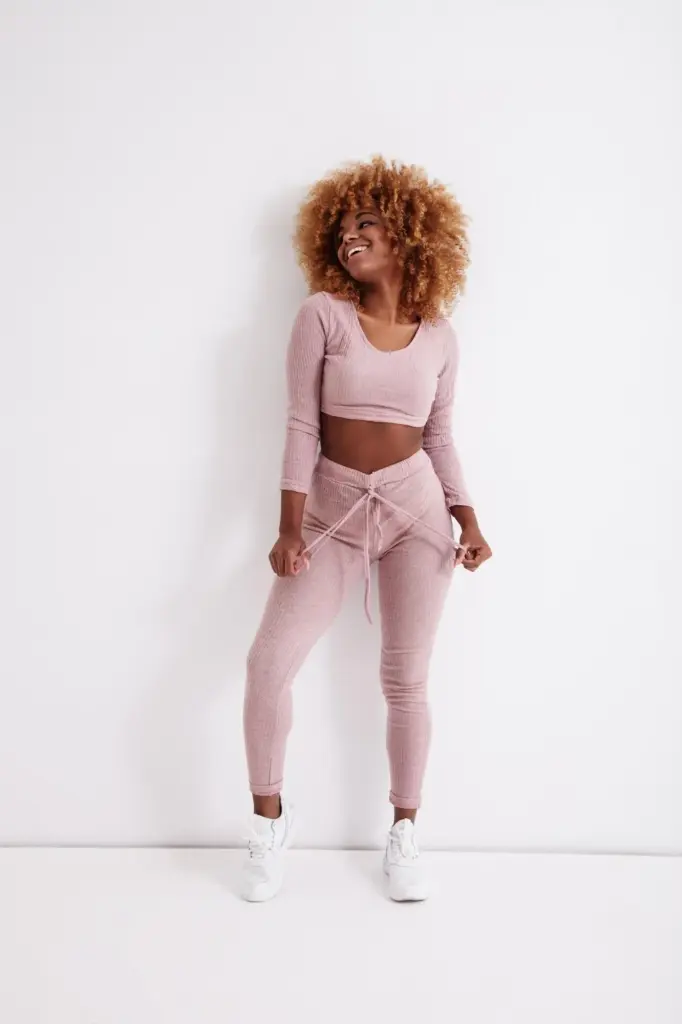
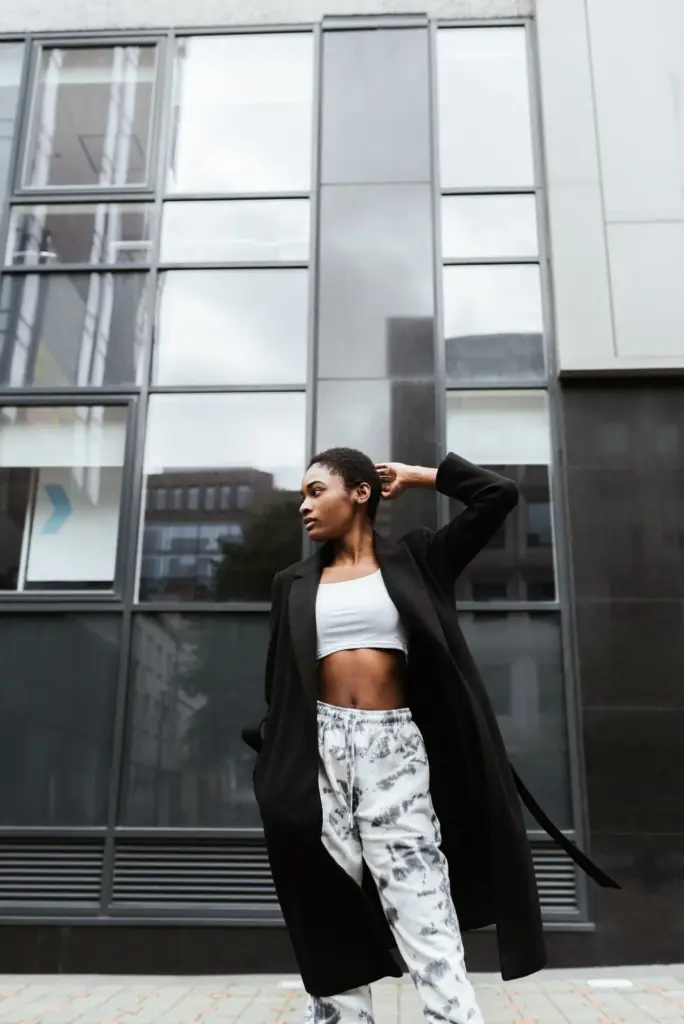
Pairing a high-rise legging with a longline bra creates a calm midsection and underscores vertical flow. The slight overlap eliminates exposure in forward folds, protecting focus. Choose curved under-bust bands that settle gently, not straight cuts that press the diaphragm. Add a very light shrug or airy tee for warmth, ensuring arm mobility remains free for binds. This duo supports strength days and still feels gracious during restorative closing shapes and mindful breathwork.

Cropped Ease + Wide‑Leg Calm

If you favor a grounded, meditative silhouette, combine a cropped, breathable top with wide-leg or relaxed flares. The gentle drape quiets visual noise while accommodating lotus entries and long seated holds. Bias-cut hems float rather than snag around ankles. Test in tree pose: if fabric distracts, taper slightly below the knee. This pairing loves natural fibers for softness yet needs thoughtful opacity. Finish with a soft waistband that welcomes belly expansion during slow three-part breathing.

Visual Design: Color, Blocking, and Strategic Details

Color can lengthen, soften, and stabilize attention. Smart blocking refines lines; subtle details add intention without fuss. We will map deeper shades to zones you prefer minimized and use brighter accents to illuminate lift and openness. Texture mixing adds depth while staying camera-friendly for progress photos. Expect practical palettes for sunrise classes, lunch breaks, and candlelit flows, plus ideas for matching mats and props so your visual ecosystem supports presence instead of pulling focus sideways.

Contrast That Guides the Eye

Use contrast like an instructor’s cue. Dark leggings with a mid-tone top create a grounded base, while a luminous headband draws awareness upward during balancing sequences. Side panels in slightly deeper hues can streamline hips without compression warfare. Limit contrast lines at knee joints, which fragment shape in photos and mirrors. If you love prints, anchor them with a solid neighboring piece. The result: visual coherence that keeps your gaze softer and your inner dialogue kinder.

Monochrome Moments and Subtle Depth

Monochrome dressing simplifies mornings and lengthens lines under bright lights. The trick is depth: combine matte leggings with a satin-matte bra or ribbed tank to prevent flatness. Within one hue family, vary shade temperature—olive with moss, sea with slate—to cultivate sophistication. Add tonal socks or a wrap for dimensional calm. Monochrome especially favors petite frames by avoiding harsh horizontal breaks. When in doubt, photograph test combinations near a window; your eye quickly notices balance and harmony.

Seams, Panels, and Pockets with Purpose

Construction guides perception. Forward-set side seams visually narrow, while back yokes lift without squeeze. If you carry a card to class, choose bonded pockets that lay flush, not bellows that bulge during twists. Laser-cut ventilation looks sleek but must align with real heat maps. Reflective trims should sit along calm zones to avoid flicker in flows. Let each detail earn its keep: if it rubs, distracts, or distorts, remove it and rediscover effortless, fluid presence.

Support, Comfort, and Adjustability for Confidence

Real confidence blossoms when your outfit quietly solves problems you used to accept. Adjustable straps, pliant waistbands, and stay-put hems minimize fidgeting and let you linger in breath. We will cover chafe prevention, cup coverage, gusset geometry, and practical laundry that preserves elasticity. Expect field-tested tricks gathered from instructors and everyday practitioners: tape checks for hotspots, dynamic squats to validate support, and quick posture drills you can run in the store mirror before purchasing anything new.

Waistbands That Stay

Rolling waistbands interrupt focus and can trigger shallow breathing. Choose double-layer, high-rise bands with V-shaped interior shaping or hidden power mesh. Test in three quick rounds of half sun salutations, watching for creep at the back waist. Silicone dots help but should never scrape. If your torso is long, look for extended rises rather than sizing up overall. The right band nestles, supports abdominal expansion, and disappears from thought the moment practice begins.

Straps, Necklines, and Shoulder Freedom

Straps should stabilize without biting the trapezius. Try H-back or Y-back for strong flows and U-back for restorative ease. Necklines matter in inversions; higher cuts prevent distractions, while soft scoops ease breath in slower sequences. To confirm shoulder freedom, simulate chaturanga and dolphin presses; fabric must glide without pressure. Adjusters should rest away from bone points. If you hear seams creak, the garment is negotiating under strain. Seek harmony where structure supports movement invisibly.

From Studio to Street: A Versatile Capsule You Will Actually Wear

Davodaridexolentozentovani
Privacy Overview

This website uses cookies so that we can provide you with the best user experience possible. Cookie information is stored in your browser and performs functions such as recognising you when you return to our website and helping our team to understand which sections of the website you find most interesting and useful.